CAMERA DE ECOU
Back to projects
Workshop · Education

CAMERA DE ECOU

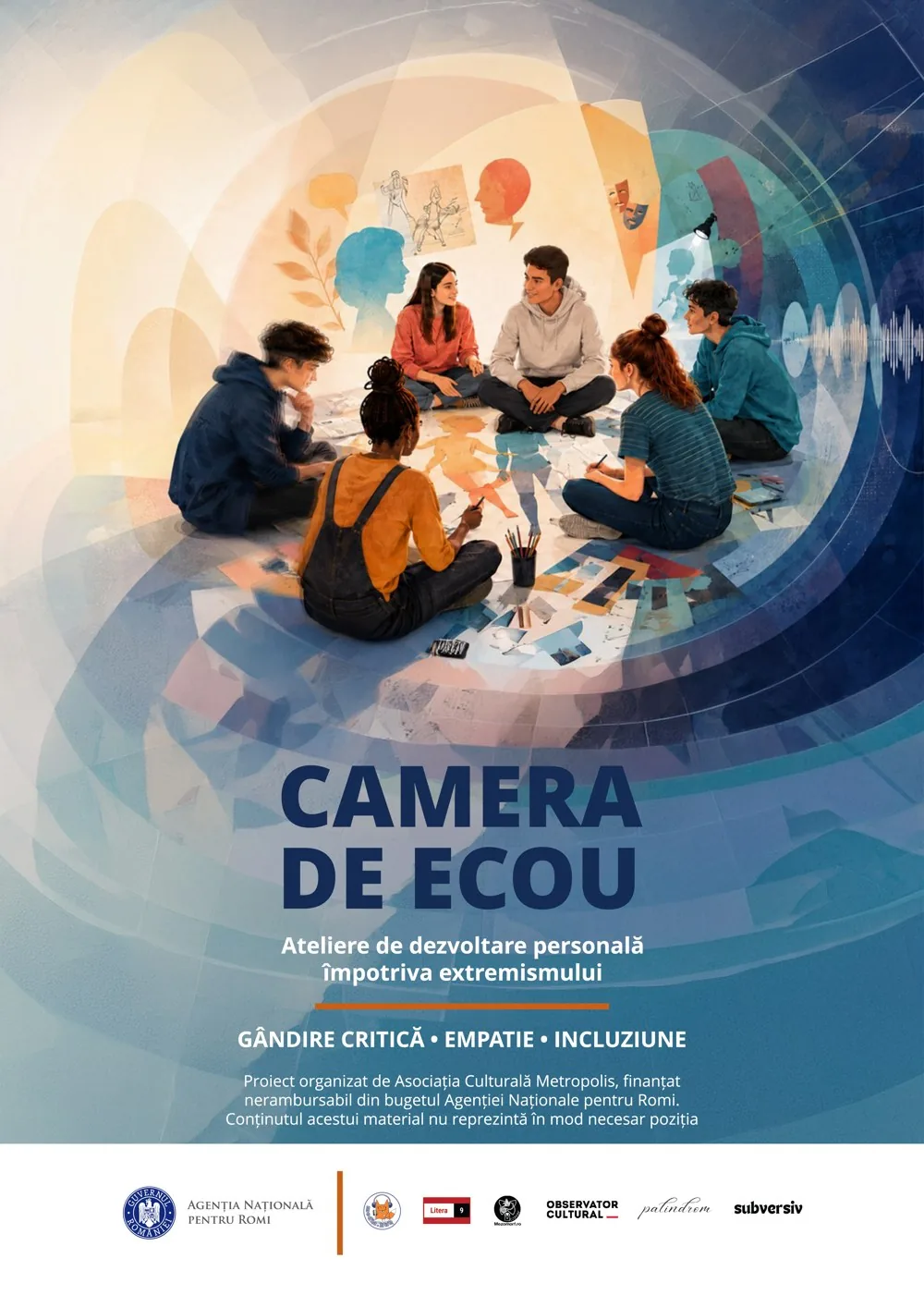
"Camera de ecou" (Echo Chamber) is a project of Asociația Culturală Metropolis dedicated to preventing discrimination, intolerance and the influence of extremist rhetoric among teenagers. Through non-formal education, intercultural dialogue and artistic expression, the project helps young people recognize stereotypes, hate speech and the manipulation tactics they encounter in public spaces and online.

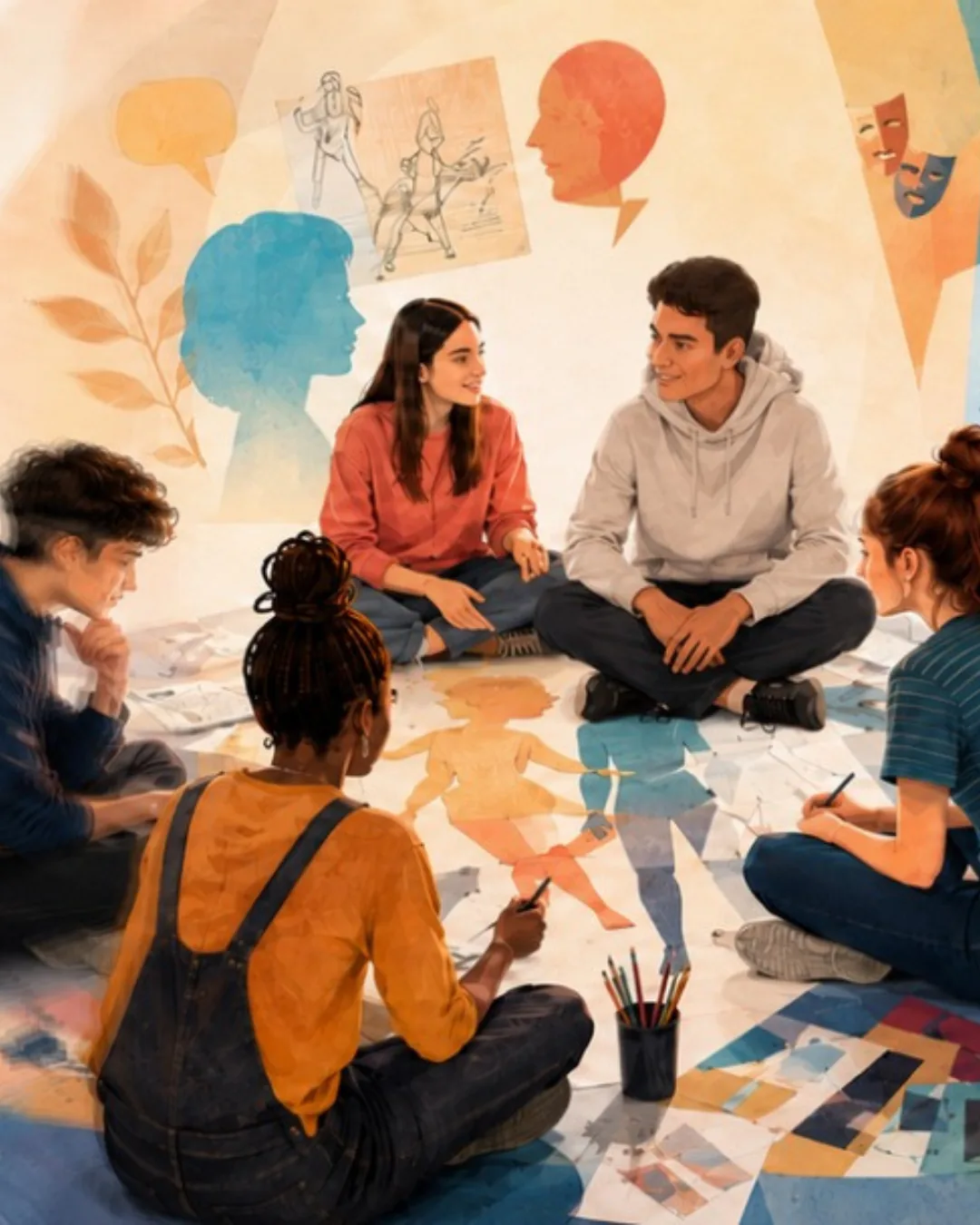
The project will bring 30 personal-development and artistic-expression workshops for 750 teenagers from Bucharest. Participants will work with methods such as body mapping, storytelling, role play, theater improvisation, puppetry and marionettes, movement, drawing and creative writing. The activities create a safe space where young people can explore their identity, build self-confidence, empathy and critical thinking, and craft their own creative responses to discrimination and extremism.

The project also includes three training workshops for 60 teachers and educational instructors, giving them practical tools for integrating intercultural education and themes of inclusion and anti-discrimination into their everyday work.

The artwork, stories and multimedia materials created by the teenagers will be brought together in an interactive exhibition open to the public. In this way, young people's voices and experiences become the starting point for a dialogue about identity, belonging, diversity and civic participation.

Through art and education, "Camera de ecou" aims to turn spaces that amplify prejudice into places of encounter, reflection and solidarity.

Funders
Organized by Asociația Culturală Metropolis, co-funded by ANR
Period
13 July 2026 – 30 October 2026
Venue
Bucharest
Type
Workshop · Education

Schedule

About the workshops

The project's core activity consists of organizing and running a series of participatory personal-development and artistic-expression workshops for teenagers. The workshops create space for reflecting on stereotypes and forms of anti-Roma discrimination present in public discourse and online.

The workshops aim to build self-confidence, emotional expression, relationship-building and collaboration, as well as critical and empathetic thinking that helps prevent discrimination, intolerance and extremist influences.

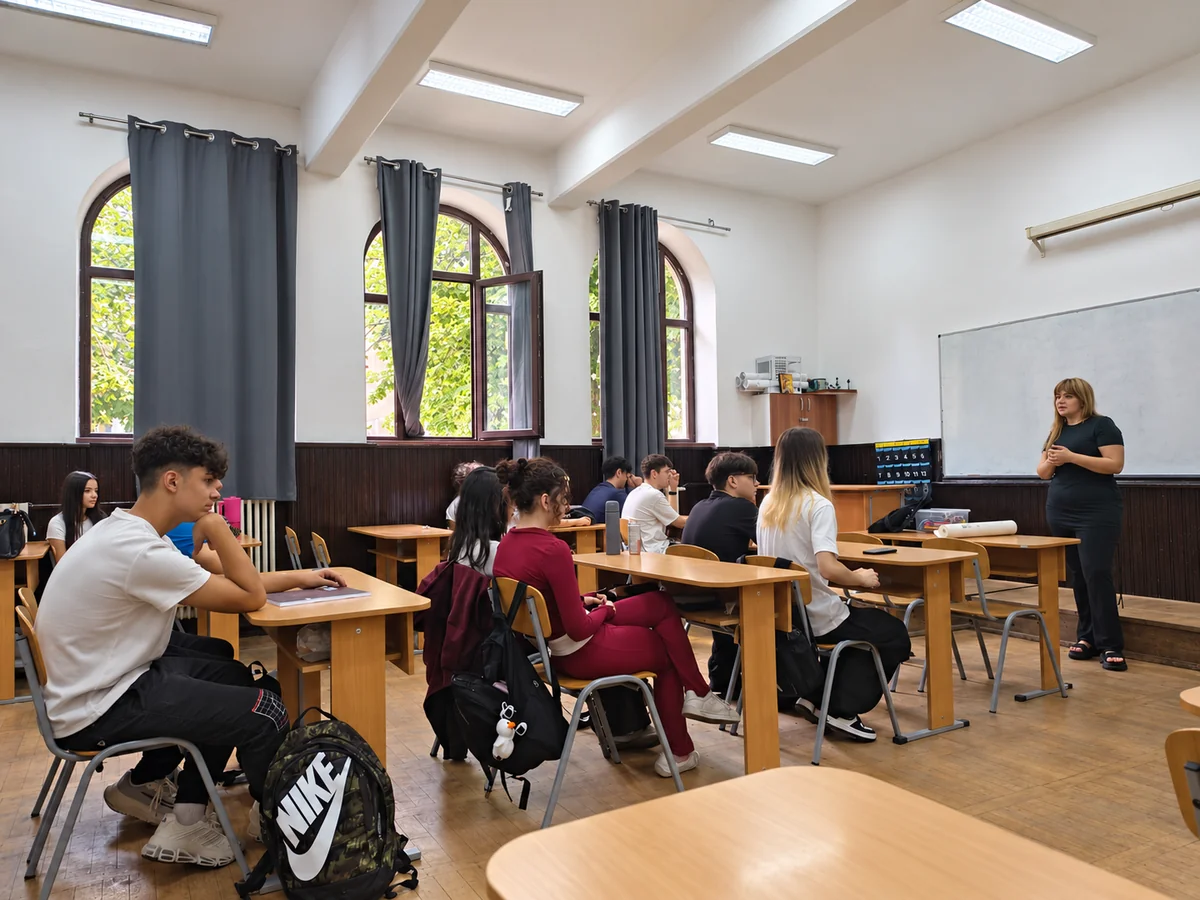
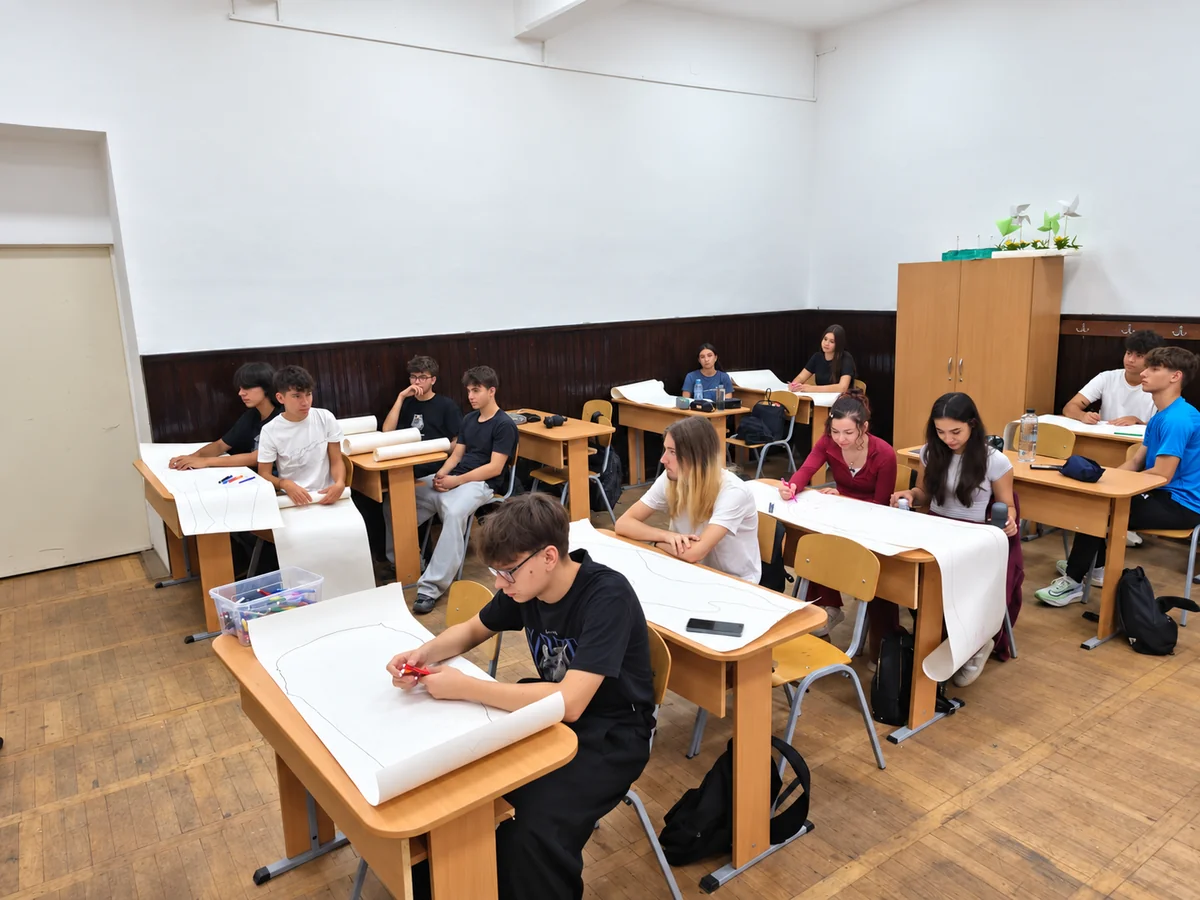
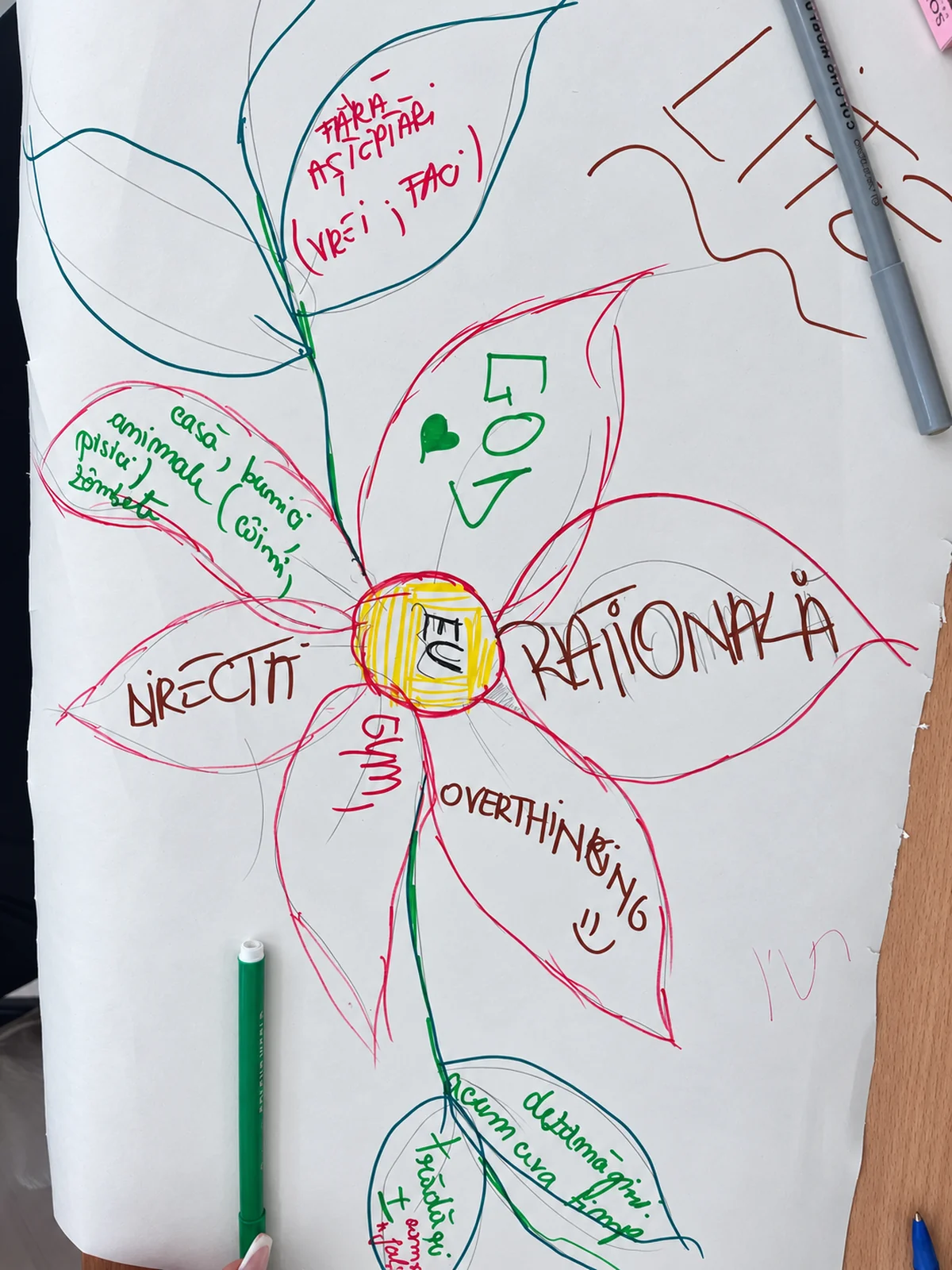
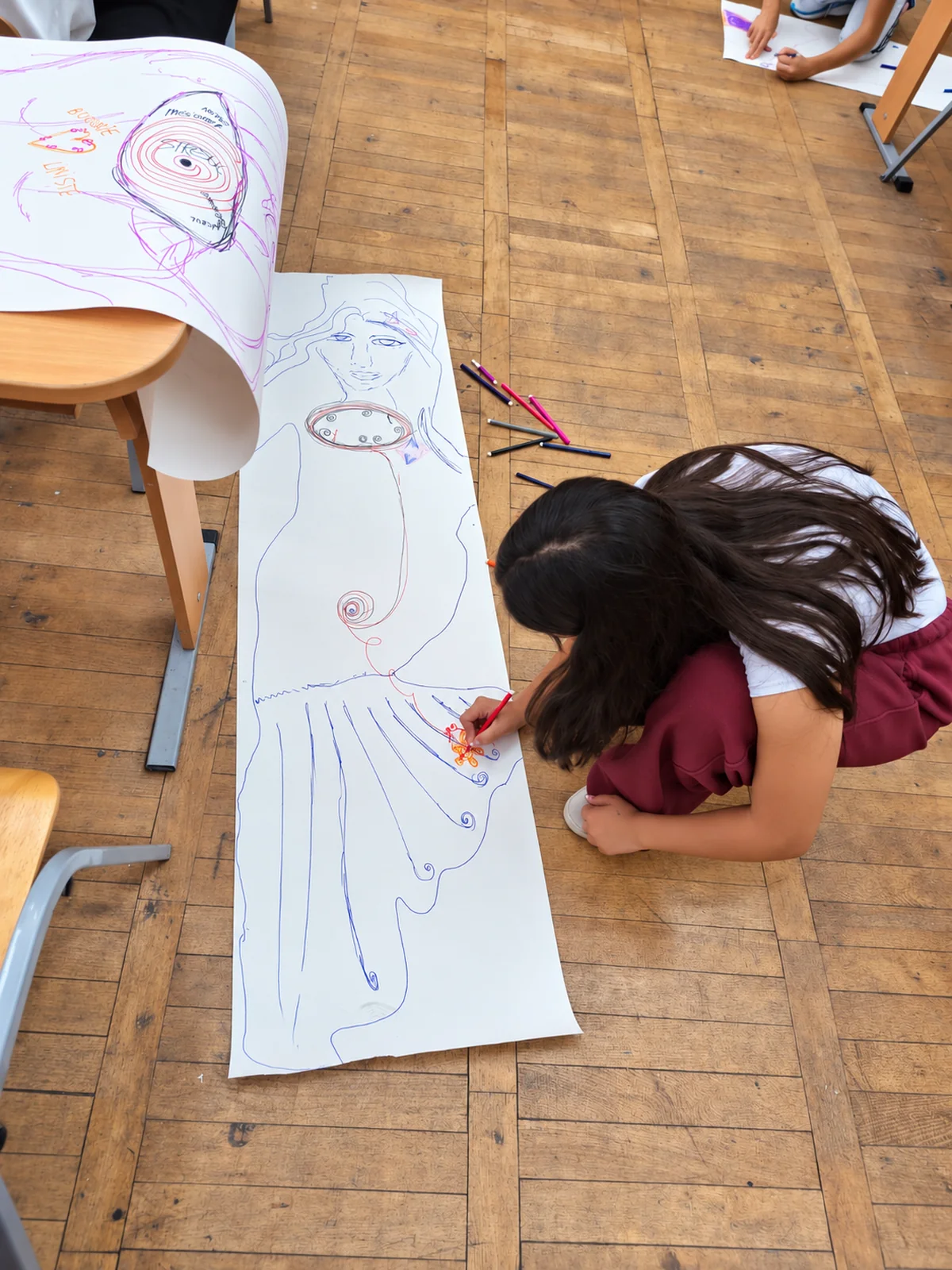
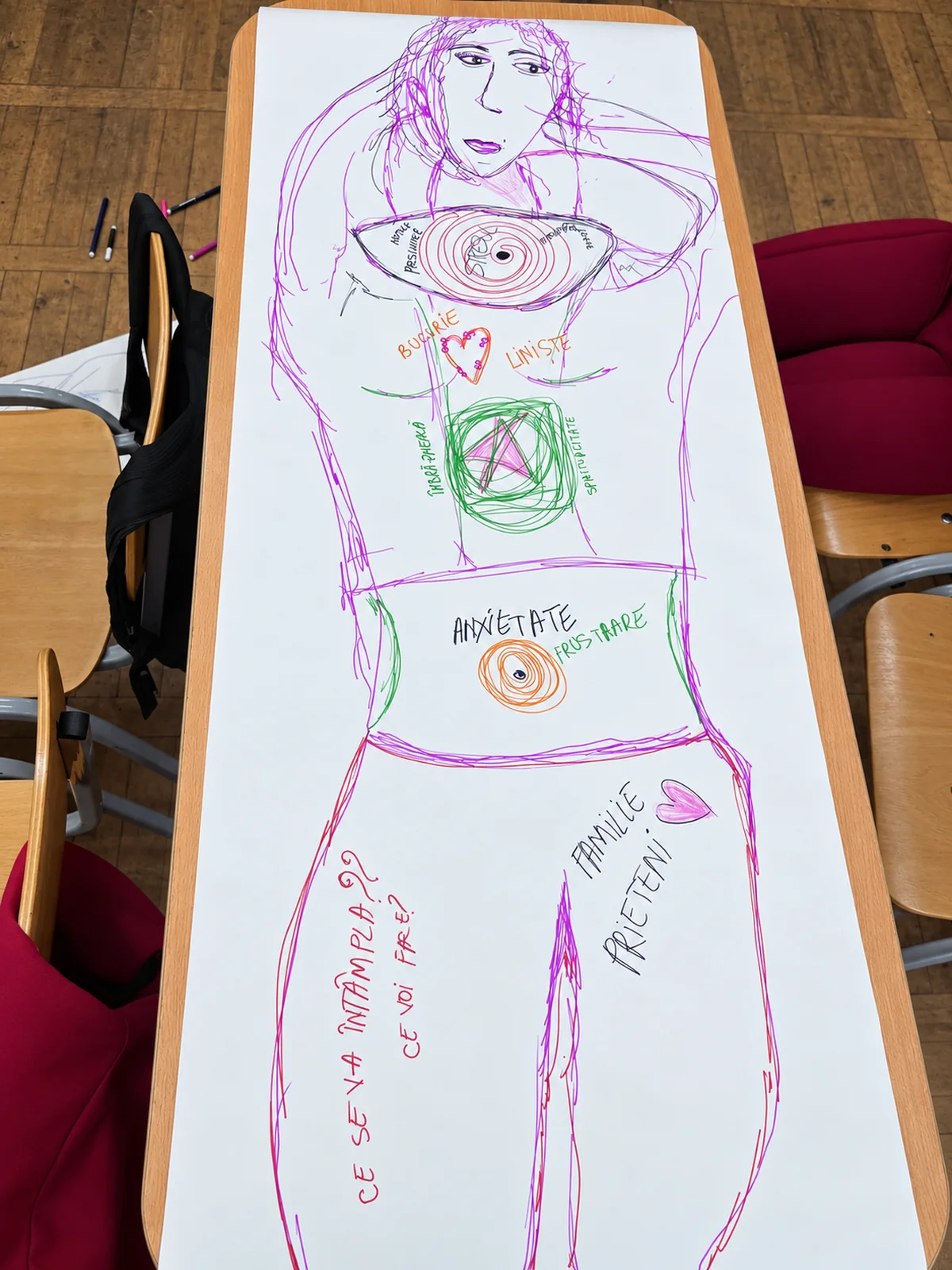
The working methodology uses art-therapy and educational-theatre tools to create a safe space for expression, reflection and intercultural dialogue. Workshops run weekly, with each session lasting roughly two hours. At the core of the methodology is the body-mapping technique, used as a tool for identity exploration and bodily awareness. Around this method, the project integrates storytelling, therapeutic fairy tales, role-play, theatrical improvisation, shadow theatre, labyrinth theatre, puppet and marionette theatre, movement and contemporary dance exercises, drawing and creative writing.

Exploring identity and belonging helps reduce teenagers' vulnerability to radicalization mechanisms rooted in exclusion, the need for validation and peer pressure.

In reflection and dialogue exercises facilitated by the project team, participants explore how stereotypes and discriminatory discourse spread in public and online spaces, how hate-based and intolerant messages affect social relationships, and the effects these have on vulnerable communities. The workshop aims both to develop emotional and creative expression and to strengthen group relationships, collaboration, critical thinking and active community participation.

Through the artistic and narrative content developed during the activities, participants are encouraged to build alternative perspectives and forms of cultural counter-narrative that push back against stereotypes, discriminatory discourse and anti-Roma extremism in public and online spaces.

To ensure the active participation of Roma people in the artistic and educational process, the project involves invited Roma artists, craftspeople and experts — such as Manole, graphic artist and jeweller; Icruș, jeweller; and Gelu Duminică, sociologist — who contribute through dialogues and reflection sessions on cultural identity, countering stereotypes and developing forms of cultural counter-narrative grounded in authentic experiences and perspectives.
Stage 1
Getting to know each other and building a safe working space

Each participant creates their own puppet, which becomes a tool for expression and emotional mediation. Through role-play, improvisation exercises and facilitated discussions, the group explores identity, emotions, the body, social pressure, relationships and the need to belong. Participants analyze examples of stereotypes and exclusion mechanisms present in public discourse and online, and discuss how prejudice and discriminatory messages can affect relationships between individuals and communities. These activities foster dialogue, empathy and mutual respect among participants from different social and ethnic backgrounds.
Stage 2
Body mapping and exploring personal identity

Participants trace the outline of their own body and explore, through color, symbol and text, the emotions and experiences tied to personal and social identity. The exercise is followed by moments of reflection and creative writing about belonging, difference and relating to others. This activity builds empathy, reduces prejudice and strengthens a healthier relationship with one's own body and identity.
Stage 3
Relating and collaborating through puppetry and storytelling

Working in pairs, participants carry out body-mapping exercises for one another, then build puppets inspired by their own experiences and identities. Through animation, improvisation and storytelling exercises, the group explores interpersonal relationships, cultural differences, stereotypes and ways of relating to others in a symbolic, emotionally protected way. Participants identify and reinterpret discriminatory and intolerant messages encountered in public and online spaces, and develop examples of artistic counter-narratives built on tolerance, inclusion and mutual respect. These activities support intercultural dialogue, collaboration skills and resilience against extremist influences and hate-based discourse.

Storytelling and symbolic work build empathy, reduce stereotypes and help participants understand different perspectives, contributing to less exclusionary and intolerant behavior.

Special dialogue sessions facilitated by invited Roma artists and specialists are organized within the workshops, including discussions on cultural representation, identity, discrimination and the role of art in countering hate speech.
Stage 4
Integrating experiences and final artistic expression

Participants continue working with the puppets and marionettes created earlier and develop stories about transformation, tolerance, identity and community. Through collective reflection and artistic exercises, messages of inclusion, mutual respect and active social participation are consolidated. The resulting materials — visual works, texts, art objects or multimedia pieces — will be featured in the project's final interactive exhibition.

The artistic works created by participants function as forms of cultural counter-narrative against hate speech, stereotypes and anti-Roma extremism, promoting values such as tolerance, social inclusion, intercultural dialogue and active civic participation. Methodologically, using the puppet and marionette as intermediary objects helps participants express personal content that is difficult to verbalize directly, and allows for emotional and symbolic transfer. Storytelling and theatrical improvisation help process life experiences, build creativity and strengthen group relationships. The focus on the body, movement and space supports a more conscious relationship with one's own body and social presence.

Throughout the workshops, facilitators adapt the exercises to participants' emotional state and needs, taking into account individual vulnerabilities and social context. Through participation, teenagers build self-confidence, emotional expression and relationship skills, as well as a better understanding of the effects of discrimination, social exclusion and intolerance. Artistic expression thus becomes a tool for personal development, social inclusion and active civic involvement.
Teacher training
Training workshops for teachers and education staff

This activity strengthens the capacity of teachers and education staff to integrate anti-discrimination, social inclusion and intercultural education topics into their everyday teaching, contributing to a school climate built on tolerance, dialogue and respect for diversity. It supports the programme's goals by extending the project's impact beyond the implementation period, as trained teachers become agents of sustainable change in their school communities and advocates for preventing discriminatory and extremist discourse against the Roma minority.

The project will run 3 training workshops for teachers from partner schools, with at least 20 participants per workshop, for a minimum of 60 participants overall. Sessions will be facilitated by specialists in intercultural education, personal development, educational theatre and youth work, using participatory, interactive methods suited to today's educational context.

Workshop topics include: intercultural education and the inclusion of the Roma minority in schools; recognizing and countering stereotypes and prejudice; identifying hate speech and how discrimination spreads online and offline; preventing exclusionary and intolerant behavior among teenagers; using participatory and artistic methods when working with young people; developing critical thinking and intercultural dialogue in educational activities.

Participants will analyze examples of stereotypes and discriminatory representations present in public and online spaces and explore ways of building inclusive, participatory educational contexts. The training includes practical exercises, case studies, reflection methods and sample activities that can later be adapted for classroom use.

Participating teachers will receive tailored educational resources and practical tools: a methodological guide, course materials, examples of good practice and digital resources for integrating Roma inclusion, anti-discrimination and intercultural dialogue into formal and non-formal school activities.

The activity aims to build sustainable skills among education staff and strengthen schools' capacity to create educational contexts based on participation, mutual respect and the prevention of hate speech and intolerance.
Interactive exhibition
This activity increases public visibility of ethnic inclusion, tolerance, and the fight against extremism and discriminatory discourse against the Roma minority, through an interactive public-awareness exhibition and an online communication and dissemination campaign for the project's results. It helps carry the project's message to the general public, beyond the direct target group, generating broader community impact through the artistic and digital components developed throughout the project.

The final exhibition will bring together the works and artistic productions created by teenagers during the personal-development and artistic-expression workshops: body-mapping exercises, creative texts, puppets, art objects, visual installations, multimedia materials and narrative content developed over the course of the activities. The exhibition will be designed as an interactive space for dialogue and reflection on social inclusion, stereotypes, discrimination and the effects of hate speech and intolerance.

The artistic works created by participants function as forms of cultural counter-narrative against hate speech, stereotypes and anti-Roma extremism, promoting values such as tolerance, cultural diversity, mutual respect and active civic participation. By publicly presenting the experiences and perspectives of participating teenagers, the exhibition helps raise visibility for an authentic, contemporary image of Roma youth and reduces prejudice and negative representations present in public discourse.

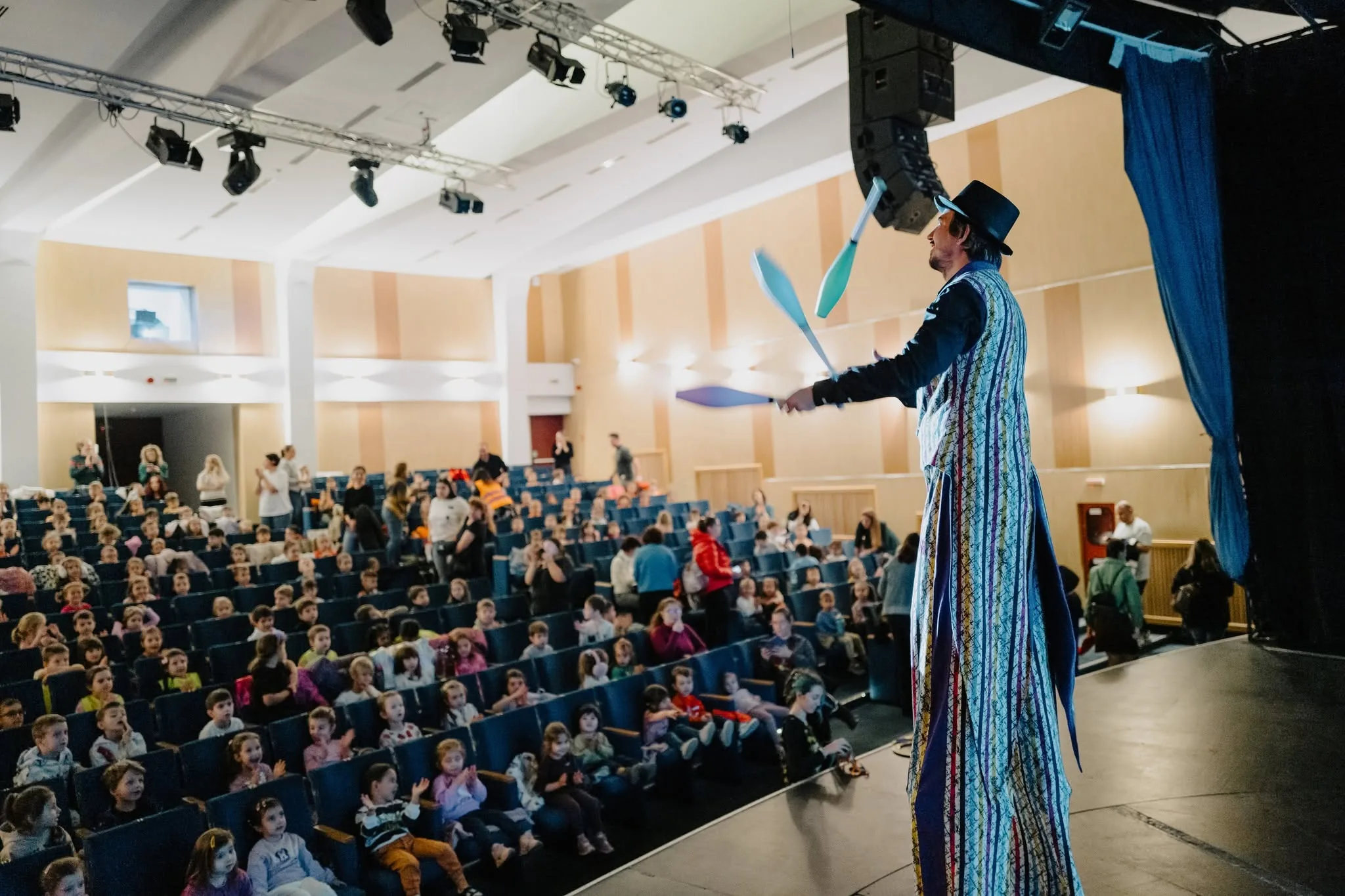
The exhibition will be open to a wide Bucharest audience and will include dialogue moments with participants and project facilitators, as well as cultural mediation activities and collective reflection on the themes explored in the workshops. The event will be documented in photo and video and promoted through the project's digital channels.

Photos

See the event page →

Funders

ANR — Agenția Națională pentru Romi

Organized by Asociația Culturală Metropolis, co-funded by ANR.

Media partners

Observator Cultural
Subversiv
Palindrom
Litera9
Mezomorf
AiviMedia Hub
Asociația Culturală Metropolis

A cultural association, since 2011 — festivals, screenings and workshops for the general public and professionals in the cultural sector.
Navigation
About us Projects Press & News Support us
Contact
Str. Mătăsari, nr. 54, sector 2, Bucharest
contact@asociatiametropolis.ro
© 2026 Asociația Culturală Metropolis
Privacy Policy Made by Oaza Advertising